Search This Blog

Wednesday, November 16, 2016

Day 48 - Wednesday

U.S. History I - Periods 1, 2 & 7: 
Essential Questions:
-When is revolutionary change justified?
-Was the American War for Independence inevitable?
-Would you have been a revolutionary in 1776? 
-What does it mean to live in a democratic society?
-How do attitudes and behaviors demonstrate the heart and mind of democracy?

Themes: Battles of the American Revolution, Turning Points, Key Generals

1. We will quickly examine a few slides on the Critical Periods in the American Revolution slideshow as a MAJOR RESOURCE to help you understand the sequence and major themes of the War for Independence.

2. We will read and have a class discussion driven by students on the article titled How were the American colonist able to win Independence? Also, we will discuss and then evaluate How revolutionary was the American Revolution?

3. We will review this Death Chart and what surprises you? What patterns do you see?

4. We will watch The Revolution's Lasting Legacy from the History Channel.

5. New Challenges facing the NEW United States of America?

6. In small groups of 3 or 4 you will exchange your Main Ideas and Top-Down Web takeaways from The New Confederation that helped form America's first government. Was the Confederation a success or failure? Why?

Homework:
1. Yes, check Google Classroom.
___________________________________________________


U.S. HISTORY II - Period 3:
Essential Questions:
-Should the United States fight wars to make the world safe for democracy?
-How did a war fought to 'save the world for democracy' end up threatening civil rights in America?
-What happens when individuals’ civil liberties are breached?
-Was the decade of the 1920's a time of innovation or conservationism?
-Should the USA limit immigration?
-Was the treaty of Versailles a fair and settlement for lasting world peace?

Themes: American Exceptionalism, Isolationsim, Interventionism, Causes of World War I

1. We are going to continue America's status and role in World War I.  Our focus will be on Woodrow Wilson views in 1914 versus 1917, and historian Howard Zinn's perspective. Why did the U.S. Enter the War?

2. Please download America background knowledge in WWI and we will have a quick read and reaction to this article.

3.  Based off last night's homework, we will highlight some of the key aspects to American Propaganda during World War I. We will utilize WWI Entry Slideshow and focus on 3 questions for a class discussion:
A. Why propaganda in American newspapers and the media?
B. Is there a common thread you see in this propaganda?
C. Do you think it effectively changed American's viewpoints about the Central Powers?

4. Videos on Lusitania and WWI:  Sinking of the Lusitania - Primary Source

Secondary Source Video below 

5. Geography, Maps, and Trench Warfare
Maps & Battles
The "spark" - Car they were driving
World War I Map Series
Trench Warfare/Stalemate
Trenches in World War I
Read about Life in the Trenches
Trench Warfare - Why, How, Life in Trenches, Pictures, Diagrams
WWI Life in the Trenches
PBS.org Trench Warfare and video footage

6. World War I Resources:
World War I  Background - A PBS Special and in-depth study of "The Great War"
World War I - Everything you need to know and one of the BEST WEB RESOURCES!
World War I Maps and early Battles
Interactive Map on Early Stages and Battles of WWI - PBS.org
America Enters the War - Office of the Historian - Whitehouse.gov
American in World War I - A very complete study and great outline explaining in chronological order our history in The Great War.
U.S. in World War I - Good visuals and easy to follow study.

Homework:
1.  Yes, check Google Classroom.
_____________________________________________________

International Studies - Period 4
Essential Questions:
1. Does the world need the United Nations? Why or why not?
2. Is the world safer today with the United Nations than it was in 1945?
3. Is the United Nations an effective peace-keeping organization?

Rwanda Genocide Essential Questions:
1. How did individuals fail to provide Human Rights and prevent the slaughter of 800,000 Rwandans? 
2 Who do you hold most responsible for the Rwandan Genocide? Why
3. How does a society recover from a genocide and how can Rwanda improve it's human rights campaign?

Themes: Humanitarianism, United Nations, International Law, International Criminal Court, ICJ

1.  We will finish watching Ghost of Rwanda.  Below are some links about the Frontline documentary on Ghost of Rwanda.  Please relate it to our Genocide discussion  and Peacekeeping responsibilities from our study of the United Nations.
-Student Film Worksheet while watching the movie
-Genocide DBQ
-Frontline Special - "Ghost of Rwanda"
-Link to "Ghost of Rwanda" the documentary - IF YOU ARE ABSENT PLEASE WATCH!

2. Roland and Chris will be presenting their current event.  So please be sure to check out Google Classroom. Additionally, please review and let me know if you have any questions on the updated Current Events format and Current Event Rubric, which both should guide your lesson on Current Events.

3. What is NATO will continue? U.S. State Dept - What is NATO?
The Washington Treaty (aka The North Atlantic Treaty)
What is NATO's mission? Which decisions does it make and why would it be consulted?


4. NATO special forces Video:


5. What key events has NATO been a part of? What current operations/recent operations have they had and where they successful?

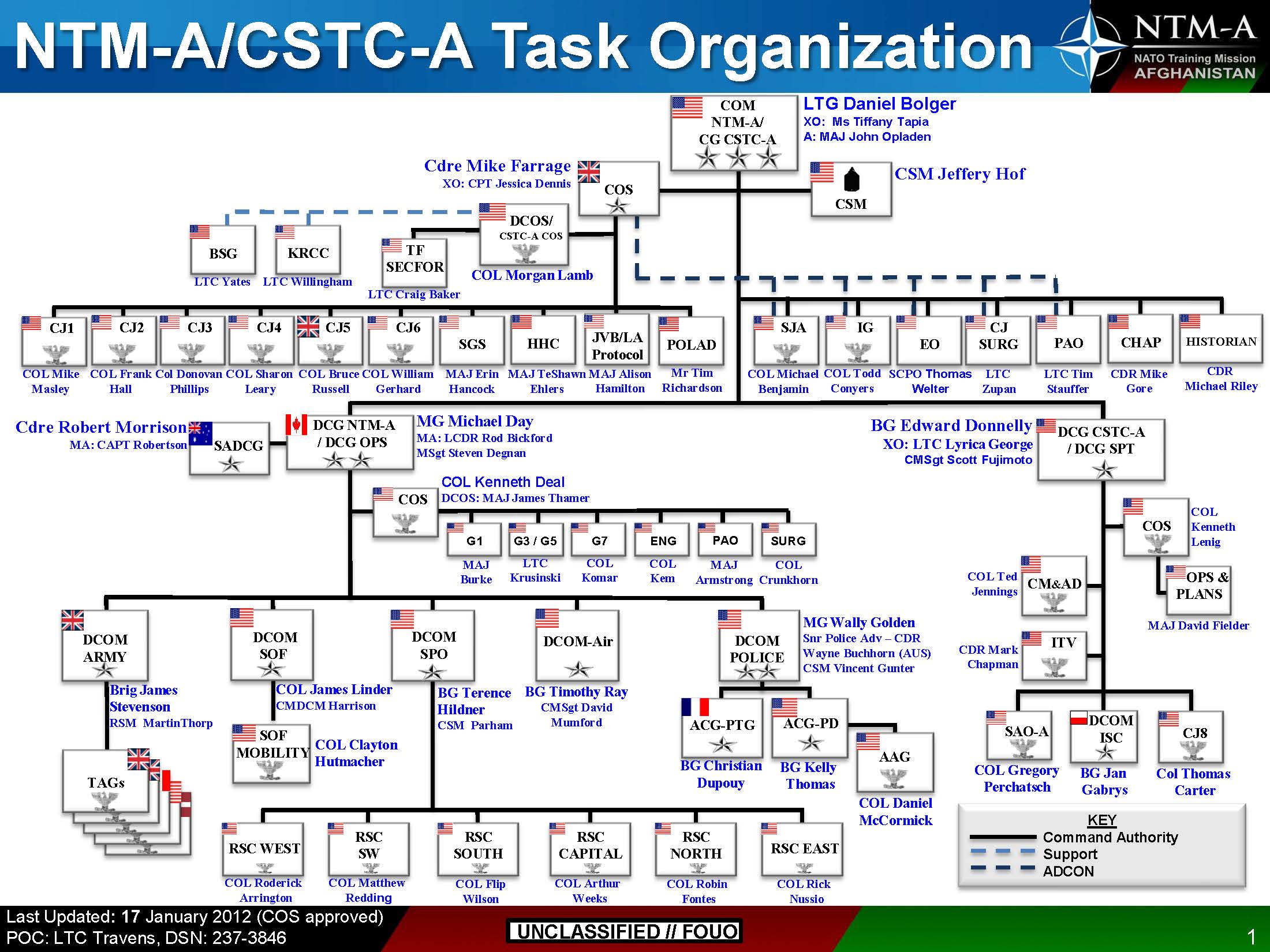
6. Example: NATO in Afghanistan
http://publicintelligence.net/wp-content/uploads/2012/02/NTM-A-OrgChart.jpg
NATO's mission according to the news
Wikipedia's NATO

Homework:
1. Yes, please check out Google Classroom

Tuesday, November 15, 2016

Day 47 - Tuesday

U.S. History I - Periods 1, 2 & 7: 
Essential Questions:
-When is revolutionary change justified?
-Was the American War for Independence inevitable?
-Would you have been a revolutionary in 1776? 
-What does it mean to live in a democratic society?
-How do attitudes and behaviors demonstrate the heart and mind of democracy?

Themes: Battles of the American Revolution, Turning Points, Key Generals

1. We will finalize our last few presentations of your AMERICAN REVOLUTION BATTLES. Here is the Order of Projects: We are on a firm schedule so all presentations will be 10-12 minutes in length.

Boston Campaign - Done
New York and New Jersey Campaign - Done
Ordinary Citizens, Uniforms, Weapons, and Unsung Heroes - Done
Valley Forge and Philadelphia Campaign - Done
Saratoga Campaign - Done
Southern Campaign - Done in most classes
Yorktown Campaign

2. Be sure you have completed the Revolutionary War & Battle Worksheet!!!

3. You should definitely use the Critical Periods in the American Revolution slideshow as a MAJOR RESOURCE to help you understand the sequence and major themes of the War for Independence.

4. We will read and have a class discussion driven by students on the article titled How were the American colonist able to win Independence? Also, we will discuss and then evaluate How revolutionary was the American Revolution?

5. We will review this Death Chart and what surprises you? What patterns do you see?

6. We will watch The Revolution's Lasting Legacy from the History Channel.

7. New Challenges facing the NEW United States of America?

Homework:
1. Yes, check Google Classroom.
___________________________________________________


U.S. HISTORY II - Period 3:
Essential Questions:
-Should the United States fight wars to make the world safe for democracy?
-How did a war fought to 'save the world for democracy' end up threatening civil rights in America?
-What happens when individuals’ civil liberties are breached?
-Was the decade of the 1920's a time of innovation or conservationism?
-Should the USA limit immigration?
-Was the treaty of Versailles a fair and settlement for lasting world peace?

Themes: American Exceptionalism, Isolationsim, Interventionism, Causes of World War I

1. Please download the Why did the U.S. Enter WWI? Then take a stand on a hypothesis on the U.S. entry into World War I, supported by specific evidence. Which reasons do you find most compelling?  Highlight or list the supporting documents/evidence that supports your claims.

2. We are going to introduce America's status and role in World War I.  Our focus will be on Woodrow Wilson views in 1914 versus 1917, and historian Howard Zinn's perspective. Why did the U.S. Enter the War?

3. Please download America background knowledge in WWI and we will have a quick read and reaction to this article.

4. WWI Entry Slideshow - Why propaganda in American newspapers and the media?  Is there a common thread you see in this propaganda?  Do you think it effectively changed American's viewpoints about the Central Powers?

5. Geography, Maps, and Trench Warfare
Maps & Battles
The "spark" - Car they were driving
World War I Map Series
Trench Warfare/Stalemate
Trenches in World War I
Read about Life in the Trenches
Trench Warfare - Why, How, Life in Trenches, Pictures, Diagrams
WWI Life in the Trenches
PBS.org Trench Warfare and video footage

6. World War I Resources:
World War I  Background - A PBS Special and in-depth study of "The Great War"
World War I - Everything you need to know and one of the BEST WEB RESOURCES!
World War I Maps and early Battles
Interactive Map on Early Stages and Battles of WWI - PBS.org
America Enters the War - Office of the Historian - Whitehouse.gov
American in World War I - A very complete study and great outline explaining in chronological order our history in The Great War.
U.S. in World War I - Good visuals and easy to follow study.

Homework:
1.  Yes, check Google Classroom.
_____________________________________________________

International Studies - Period 4
Essential Questions:
1. Does the world need the United Nations? Why or why not?
2. Is the world safer today with the United Nations than it was in 1945?
3. Is the United Nations an effective peace-keeping organization?

Rwanda Genocide Essential Questions:
1. How did individuals fail to provide Human Rights and prevent the slaughter of 800,000 Rwandans? 
2 Who do you hold most responsible for the Rwandan Genocide? Why
3. How does a society recover from a genocide and how can Rwanda improve it's human rights campaign?

Themes: Humanitarianism, United Nations, International Law, International Criminal Court, ICJ

1.  We will finish watching Ghost of Rwanda.  Below are some links about the Frontline documentary on Ghost of Rwanda.  Please relate it to our Genocide discussion  and Peacekeeping responsibilities from our study of the United Nations.
-Student Film Worksheet while watching the movie
-Genocide DBQ
-Frontline Special - "Ghost of Rwanda"
-Link to "Ghost of Rwanda" the documentary - IF YOU ARE ABSENT PLEASE WATCH!

2. Roland and Chris will be presenting their current event.  So please be sure to check out Google Classroom. Additionally, please review and let me know if you have any questions on the updated Current Events format and Current Event Rubric, which both should guide your lesson on Current Events.

3. What is NATO will continue? U.S. State Dept - What is NATO?
The Washington Treaty (aka The North Atlantic Treaty)
What is NATO's mission? Which decisions does it make and why would it be consulted?


4. NATO special forces Video:


5. What key events has NATO been a part of? What current operations/recent operations have they had and where they successful?

6.Example: NATO in Afghanistan
http://publicintelligence.net/wp-content/uploads/2012/02/NTM-A-OrgChart.jpg
NATO's mission according to the news
Wikipedia's NATO

Homework:
1. Yes, please check out Google Classroom

Monday, November 14, 2016

Day 46 - Monday

U.S. History I - Periods 1, 2 & 7: 
Essential Questions:
-When is revolutionary change justified?
-Was the American War for Independence inevitable?
-Would you have been a revolutionary in 1776? 
-What does it mean to live in a democratic society?
-How do attitudes and behaviors demonstrate the heart and mind of democracy?

Themes: Battles of the American Revolution, Turning Points, Key Generals

1. We will finalize our last few presentations of your AMERICAN REVOLUTION BATTLES. Here is the Order of Projects: We are on a firm schedule so all presentations will be 10-12 minutes in length.

Boston Campaign - Done
New York and New Jersey Campaign - Done
Ordinary Citizens, Uniforms, Weapons, and Unsung Heroes - Done
Valley Forge and Philadelphia Campaign - Done
Saratoga Campaign
Southern Campaign
Yorktown Campaign

2. Be sure you have completed the Revolutionary War & Battle Worksheet!!!

3. You should definitely use the Critical Periods in the American Revolution slideshow as a MAJOR RESOURCE to help you understand the sequence and major themes of the War for Independence.

4. We will read and have a class discussion driven by students on the article titled How were the American colonist able to win Independence? Also, we will discuss and then evaluate How revolutionary was the American Revolution?

5. We will review this Death Chart and what surprises you? What patterns do you see?

6. We will watch The Revolution's Lasting Legacy from the History Channel.

7. New Challenges facing the NEW United States of America?

Homework:
1. Yes, check Google Classroom.
___________________________________________________


U.S. HISTORY II - Period 3:
Essential Questions:
-Should the United States fight wars to make the world safe for democracy?
-How did a war fought to 'save the world for democracy' end up threatening civil rights in America?
-What happens when individuals’ civil liberties are breached?
-Was the decade of the 1920's a time of innovation or conservationism?
-Should the USA limit immigration?
-Was the treaty of Versailles a fair and settlement for lasting world peace?

Themes: American Exceptionalism, Isolationsim, Interventionism, Causes of World War I

1. The Assassination of Archduke Franz Ferdinand. Why is this "the spark" of the war? We will investigate and discuss the major causes of WWI.

2. Please download the Why did the U.S. Enter WWI? Then take a stand on a hypothesis on the U.S. entry into World War I, supported by specific evidence. Which reasons do you find most compelling?  Highlight or list the supporting documents/evidence that supports your claims.

3. We are going to introduce America's status and role in World War I.  Our focus will be on Woodrow Wilson views in 1914 versus 1917, and historian Howard Zinn's perspective. Why did the U.S. Enter the War?

4. WWI Entry Slideshow - Why propaganda in American newspapers and the media?  Is there a common thread you see in this propaganda?  Do you think it effectively changed American's viewpoints about the Central Powers?

5. Geography, Maps, and Trench Warfare
Maps & Battles
The "spark" - Car they were driving
World War I Map Series
Trench Warfare/Stalemate
Trenches in World War I
Read about Life in the Trenches
Trench Warfare - Why, How, Life in Trenches, Pictures, Diagrams
WWI Life in the Trenches
PBS.org Trench Warfare and video footage

6. World War I Resources:
World War I  Background - A PBS Special and in-depth study of "The Great War"
World War I - Everything you need to know and one of the BEST WEB RESOURCES!
World War I Maps and early Battles
Interactive Map on Early Stages and Battles of WWI - PBS.org
America Enters the War - Office of the Historian - Whitehouse.gov
American in World War I - A very complete study and great outline explaining in chronological order our history in The Great War.
U.S. in World War I - Good visuals and easy to follow study.

Homework:
1.  Yes, check Google Classroom.
_____________________________________________________

International Studies - Period 4
Essential Questions:
1. Does the world need the United Nations? Why or why not?
2. Is the world safer today with the United Nations than it was in 1945?
3. Is the United Nations an effective peace-keeping organization?

Rwanda Genocide Essential Questions:
1. How did individuals fail to provide Human Rights and prevent the slaughter of 800,000 Rwandans? 
2 Who do you hold most responsible for the Rwandan Genocide? Why
3. How does a society recover from a genocide and how can Rwanda improve it's human rights campaign?

Themes: Humanitarianism, United Nations, International Law, International Criminal Court, ICJ

1.  We will continue watching Ghost of Rwanda.  Below are some links about the Frontline documentary on Ghost of Rwanda.  Please relate it to our Genocide discussion  and Peacekeeping responsibilities from our study of the United Nations.
-Student Film Worksheet while watching the movie
-Genocide DBQ
-Frontline Special - "Ghost of Rwanda"
-Link to "Ghost of Rwanda" the documentary - IF YOU ARE ABSENT PLEASE WATCH!

Homework:
1. Yes, please check out Google Classroom

Wednesday, November 9, 2016

Day 45 - Wednesday

U.S. History I - Periods 1, 2 & 7: 
Essential Questions:
-When is revolutionary change justified?
-Was the American War for Independence inevitable?
-Would you have been a revolutionary in 1776? 
-What does it mean to live in a democratic society?
-How do attitudes and behaviors demonstrate the heart and mind of democracy?
-Is the "heart" democracy's first home?

Themes: Battles of the American Revolution, Turning Points, Key Generals

1. US Presidential Election 2016 results are in and let's examine. What did you see that interested you?
*Updated - New York Times Maps and Numbers
-270toWin = Federal Level
-Presidential Map - ABC News
-How did Massachusetts measure? 
-How did the Burlington community vote?
-Massachusetts Ballot Questions Results
-Mr. Parkin's Students Votes

2. You will be presenting your AMERICAN REVOLUTION BATTLES. Here is the Order of Projects: We are on a firm schedule so all presentations will be 10-12 minutes in length.

Boston Campaign - Done
New York and New Jersey Campaign - Done
Ordinary Citizens, Uniforms, Weapons, and Unsung Heroes - Done
Valley Forge and Philadelphia Campaign - Done
Saratoga Campaign
Southern Campaign
Yorktown Campaign

3. Please be sure you have posted your presentation on Google Classroom AND your folder in our American Revolution Projects - Period #

4. Be sure to complete the Revolutionary War & Battle Worksheet while groups are giving their presentation. 

Homework:
1. Yes, prepare for your presentation by being an expert on your Battle Campaign/Topic and have a plan on how your partner and you will work well together.
___________________________________________________


U.S. HISTORY II - Period 3:
Essential Questions:
-What is the heart and soul of American innovation?
-To what extend were the developments of the Ford Model T and Airplanes engines for 
economic growth and national unity in the 20th Century?
-Make a prediction, what will be the engine of economic growth and national unity in the 21st Century?

Themes: American Exceptionalism, Innovation, Industrial Revolution, Flight in Kitty Hawk, NC, Automobiles in Detroit, MI

1. US Presidential Election 2016 results are in and let's examine. What did you see that interested you?
-270toWin = Federal Level
-Presidential Map - ABC News
-How did Massachusetts measure?
-How did the Burlington community vote?
-Massachusetts Ballot Questions Results
-Mr. Parkin's Students Votes
-Popular media says...New York Times!

2. The Assassination of Archduke Franz Ferdinand. Why is this "the spark" of the war? We will investigate and discuss the major causes of WWI.

4. Geography, Maps, and Trench Warfare
World War I Maps and early Battles
WWI Life in the Trenches
PBS.org Trench Warfare and video footage

Homework:
1.  Yes, check Google Classroom.
_____________________________________________________

International Studies - Period 4
Essential Questions:
1. Does the world need the United Nations? Why or why not?
2. Is the world safer today with the United Nations than it was in 1945?
3. Is the United Nations an effective peace-keeping organization?

Rwanda Genocide Essential Questions:
1. How did individuals fail to provide Human Rights and prevent the slaughter of 800,000 Rwandans? 
2 Who do you hold most responsible for the Rwandan Genocide? Why
3. How does a society recover from a genocide and how can Rwanda improve it's human rights campaign?

Themes: Humanitarianism, United Nations, International Law, International Criminal Court, ICJ

1. 1. US Presidential Election 2016 results are in and let's examine. What did you see that interested you?
-270toWin = Federal Level
-Presidential Map - ABC News
-How did Massachusetts measure? 
-How did the Burlington community vote?
-Massachusetts Ballot Questions Results
-Mr. Parkin's Students Votes
-Popular media says...New York Times!

2.  We will continue watching Ghost of Rwanda.  Below are some links about the Frontline documentary on Ghost of Rwanda.  Please relate it to our Genocide discussion  and Peacekeeping responsibilities from our study of the United Nations.
-Student Film Worksheet while watching the movie
-Genocide DBQ
-Frontline Special - "Ghost of Rwanda"
-Link to "Ghost of Rwanda" the documentary - IF YOU ARE ABSENT PLEASE WATCH!

Homework:
1. Yes, please check out Google Classroom

Monday, November 7, 2016

Day 44 - Monday

U.S. History I - Periods 1, 2 & 7: 
Essential Questions:
-When is revolutionary change justified?
-Was the American War for Independence inevitable?
-Would you have been a revolutionary in 1776? 

Themes: Battles of the American Revolution, Turning Points, Key Generals

1. You will be presenting your AMERICAN REVOLUTION BATTLES. Here is the Order of Projects: We are on a firm schedule so all presentations will be 10-12 minutes in length.

Boston Campaign - Done
New York and New Jersey Campaign - Done in some classes
Ordinary Citizens, Uniforms, Weapons, and Unsung Heroes - Done in some classes
Valley Forge and Philadelphia Campaign
Saratoga Campaign
Southern Campaign
Yorktown Campaign

2. Please be sure you have posted your presentation on Google Classroom AND your folder in our American Revolution Projects - Period #

3. Be sure to complete the Revolutionary War & Battle Worksheet while groups are giving their presentation. 

Homework:
1. Yes, prepare for your presentation by being an expert on your Battle Campaign/Topic and have a plan on how your partner and you will work well together.
___________________________________________________


U.S. HISTORY II - Period 3:
Essential Questions:
-What is the heart and soul of American innovation?
-To what extend were the developments of the Ford Model T and Airplanes engines for 
economic growth and national unity in the 20th Century?
-Make a prediction, what will be the engine of economic growth and national unity in the 21st Century?

Themes: American Exceptionalism, Innovation, Industrial Revolution, Flight in Kitty Hawk, NC, Automobiles in Detroit, MI

1. US Presidential Election 2016.

2. The Assassination of Archduke Franz Ferdinand. Why is this "the spark" of the war? We will investigate and discuss the major causes of WWI.

4. Geography, Maps, and Trench Warfare
World War I Maps and early Battles
WWI Life in the Trenches
PBS.org Trench Warfare and video footage

Homework:
1.  Yes, check Google Classroom.
_____________________________________________________

International Studies - Period 4
Essential Questions:
1. Does the world need the United Nations? Why or why not?
2. Is the world safer today with the United Nations than it was in 1945?
3. Is the United Nations an effective peace-keeping organization?

Rwanda Genocide Essential Questions:
1. How did individuals fail to provide Human Rights and prevent the slaughter of 800,000 Rwandans? 
2 Who do you hold most responsible for the Rwandan Genocide? Why
3. How does a society recover from a genocide and how can Rwanda improve it's human rights campaign?

Themes: Humanitarianism, United Nations, International Law, International Criminal Court, ICJ

1. Despite this being International Studies, we will VOTE for the United States Presidential Election 2016.

2.  It's Long Period and we will begin watching Ghost of Rwanda.  Below are some links about the Frontline documentary on Ghost of Rwanda.  Please relate it to our Genocide discussion  and Peacekeeping responsibilities from our study of the United Nations.
-Student Film Worksheet while watching the movie
-Genocide DBQ
-Frontline Special - "Ghost of Rwanda"
-Link to "Ghost of Rwanda" the documentary - IF YOU ARE ABSENT PLEASE WATCH!

Homework:
1. Yes, please check out Google Classroom. 

Friday, November 4, 2016

Day 43 - Friday - TGIF we all need this weekend badly!

Image result for TGIF

U.S. History I - Periods 1, 2 & 7: 
Essential Questions:
-When is revolutionary change justified?
-Was the American War for Independence inevitable?
-Would you have been a revolutionary in 1776? 

Themes: Battles of the American Revolution, Turning Points, Key Generals

1. You will be presenting your AMERICAN REVOLUTION BATTLES. Here is the Order of Projects: We are on a firm schedule so all presentations will be 10-12 minutes in length.

Boston Campaign
New York and New Jersey Campaign
Ordinary Citizens, Uniforms, Weapons, and Unsung Heroes
Valley Forge and Philadelphia Campaign
Saratoga Campaign
Southern Campaign
Yorktown Campaign

2. Please be sure you have posted your presentation on Google Classroom AND your folder in our American Revolution Projects - Period #

3. Be sure to complete the Revolutionary War & Battle Worksheet while groups are giving their presentation. 

Homework:
1. Yes, prepare for your presentation by being an expert on your Battle Campaign/Topic and have a plan on how your partner and you will work well together.
___________________________________________________


U.S. HISTORY II - Period 3:
Essential Questions:
-What is the heart and soul of American innovation?
-To what extend were the developments of the Ford Model T and Airplanes engines for 
economic growth and national unity in the 20th Century?
-Make a prediction, what will be the engine of economic growth and national unity in the 21st Century?

Themes: American Exceptionalism, Innovation, Industrial Revolution, Flight in Kitty Hawk, NC, Automobiles in Detroit, MI

1. We will finish watching and discussing innovation in American History at the turn of the 20th Century with Modern Marvel: The Technology of Kitty Hawk.


2. Innovation resources:
The Wright Brothers National Park in Kitty Hawk, NC
First Flight - The Wright Brothers Primary Source
Inventing a Flying Machine - The Smithsonian National Air and Space Museum
The Ford Model T - America on the Move - National Museum of American History
Ford Company Timeline - Ford.com
Motor City "The Story of Detroit" - Gilder Lehrman Site

3. The Assassination of Archduke Franz Ferdinand. Why is this "the spark" of the war? We will investigate and discuss the major causes of WWI.

4. Geography, Maps, and Trench Warfare
World War I Maps and early Battles
WWI Life in the Trenches
PBS.org Trench Warfare and video footage

Homework:
1.  Yes, check Google Classroom.
_____________________________________________________

International Studies - Period 4
Essential Questions:
1. Does the world need the United Nations? Why or why not?
2. Is the world safer today with the United Nations than it was in 1945?
3. Is the United Nations an effective peace-keeping organization?

Rwanda Genocide Essential Questions:
1. How did individuals fail to provide Human Rights and prevent the slaughter of 800,000 Rwandans? 
2 Who do you hold most responsible for the Rwandan Genocide? Why
3. How does a society recover from a genocide and how can Rwanda improve it's human rights campaign?

Themes: Humanitarianism, United Nations, International Law, International Criminal Court, ICJ

1. It's Long Period and we will begin watching Ghost of Rwanda.  Below are some links about the Frontline documentary on Ghost of Rwanda.  Please relate it to our Genocide discussion  and Peacekeeping responsibilities from our study of the United Nations.
-Student Film Worksheet while watching the movie
-Genocide DBQ
-Frontline Special - "Ghost of Rwanda"
-Link to "Ghost of Rwanda" the documentary - IF YOU ARE ABSENT PLEASE WATCH!

Homework:
1. Yes, please check out Google Classroom. 

Thursday, November 3, 2016

Day 42 - Thursday

U.S. History I - Periods 1, 2 & 7: 
Essential Questions:
-When is revolutionary change justified?
-Was the American War for Independence inevitable?
-Would you have been a revolutionary in 1776? 

Themes: Battles of the American Revolution, Turning Points, Key Generals

1. Today is your last day in the library to complete your research on your MAJOR PROJECT on the American Revolution Battles.  Let me know if you have any questions on the Tasks, Rubrics or Chicago-Style Citations.

2. ALL PRESENTATIONS ARE DUE in GOOGLE CLASSROOM and our class folders for the Revolutionary Battles Project.

Homework:
1. Yes, look at Google Classroom.
___________________________________________________


U.S. HISTORY II - Period 3:
Essential Questions:
-What is the heart and soul of American innovation?
-To what extend were the developments of the Ford Model T and Airplanes engines for 
economic growth and national unity in the 20th Century?
-Make a prediction, what will be the engine of economic growth and national unity in the 21st Century?

Themes: American Exceptionalism, Innovation, Industrial Revolution, Flight in Kitty Hawk, NC, Automobiles in Detroit, MI

1. We will finish our study of American innovation that lead to revolutionary ideas in industry and the stable of America. In partners you will examine an article on either Flight or Automobiles and create a Top-Down Web looking at the Then (History of) and Now (Impact of) these modes of transportation and innovation in the early 20th and the 21st Century.

2. Innovation resources:
The Wright Brothers National Park in Kitty Hawk, NC
First Flight - The Wright Brothers Primary Source
Inventing a Flying Machine - The Smithsonian National Air and Space Museum
The Ford Model T - America on the Move - National Museum of American History
Ford Company Timeline - Ford.com
Motor City "The Story of Detroit" - Gilder Lehrman Site

3. The Assassination of Archduke Franz Ferdinand. Why is this "the spark" of the war? We will investigate and discuss the major causes of WWI.

4. Geography, Maps, and Trench Warfare
World War I Maps and early Battles
WWI Life in the Trenches
PBS.org Trench Warfare and video footage

Homework:
1.  Yes, check Google Classroom.
_____________________________________________________

International Studies - Period 4
Essential Questions:
1. Does the world need the United Nations? Why or why not?
2. Is the world safer today with the United Nations than it was in 1945?
3. Is the United Nations an effective peace-keeping organization?

Rwanda Genocide Essential Questions:
1. How did individuals fail to provide Human Rights and prevent the slaughter of 800,000 Rwandans? 
2 Who do you hold most responsible for the Rwandan Genocide? Why
3. How does a society recover from a genocide and how can Rwanda improve it's human rights campaign?

Themes: Humanitarianism, United Nations, International Law, International Criminal Court, ICJ

1. Please check out the updated Current Event List.  Rolanda and Chris need to know your topics so PLEASE fill out the Current Event List and this is the last warning please!!!

2. We will review the Genocide DBQ as a large-class discussion and were there any challenges? What did you like or dislike about these documents?   What is Genocide? Please post to Google Classroom if you did it electronically by Thursday evening before midnight.

3. On Thursday, we will begin watching Ghost of Rwanda.  Below are some links about the Frontline documentary on Ghost of Rwanda.  Please relate it to our Genocide discussion  and Peacekeeping responsibilities from our study of the United Nations.
-Student Film Worksheet while watching the movie
-Frontline Special - "Ghost of Rwanda"
-Link to the documentary - IF YOU ARE ABSENT PLEASE WATCH!

4. Pyramid of Hate:

Homework:
1. Yes, please check out Google Classroom. Additionally, please review and let me know if you have any questions on the updated Current Events format and Current Event Rubric, which both should guide your lesson on Current Events.