Search This Blog

Friday, October 9, 2015

Day 28 - Yah it's Friday and a LONG WEEKEND!

Image result for Dig Pink Volleyball Game
Wear Pink and Support Breast Cancer Awareness at the Girls Volleyball Games today in the BHS Wooden Gym:
JV - 4:00
Varsity - 5:30
U.S. History I - Periods 2, 5, and 6: 
Essential Question:
-What can we infer about the values and beliefs of settlers?
-How did the French and Indian War help inspired a sense of unity and shared identity among the colonist?
-Did Great Britain lose more than it gained from its victory in the French-Indian War?
-Were the colonist justified in resisting British policies after the French-Indian War? 

Themes: Settlements on the East Coast and Southwest, Colonial life and struggles, Mercantilism, Colony-building, economic relationships

1. Please read Chapter 4 - Section 1 The Stirrings of Rebellion - pages 96-99 (stop at Battles of Lexington and Concord) and complete pages 1 & 2 of Causes of the American Revolution Packet please get in 5 groups for a Jigsaw Activity.

A. Round 1 will be EXPERTS - Learn about your assigned group using the homework handout and at least ONE credible internet source, and ONE visual.

B. Round 2 - Pick 2 Captains from your group - They will jigsaw and move to the other groups as "traveling teachers" and the rest of you will stay seated as other groups rotate and come to your group to educate you on their assigned act. The "traveling teachers" will be teaching the groups they go to visit about their assigned act and illustrating a credible source and a visual.

C. Round 3 - When your Captains from your group come back, the rest of the group must teach them about the other acts you all learned about.

2. We will create a TIMELINE of 12 events or significant contributions that lead to the American Revolution. Create a TIMELINE of at least 12 events or significant contributions that lead to the American Revolution (Your Timeline should range from 1764 to 1777). On this timeline please distinguish which events were instigated by The British (in Red please), and which events initiated by The Colonist (in Blue please).  This means your Timeline will be color-coded.

3.


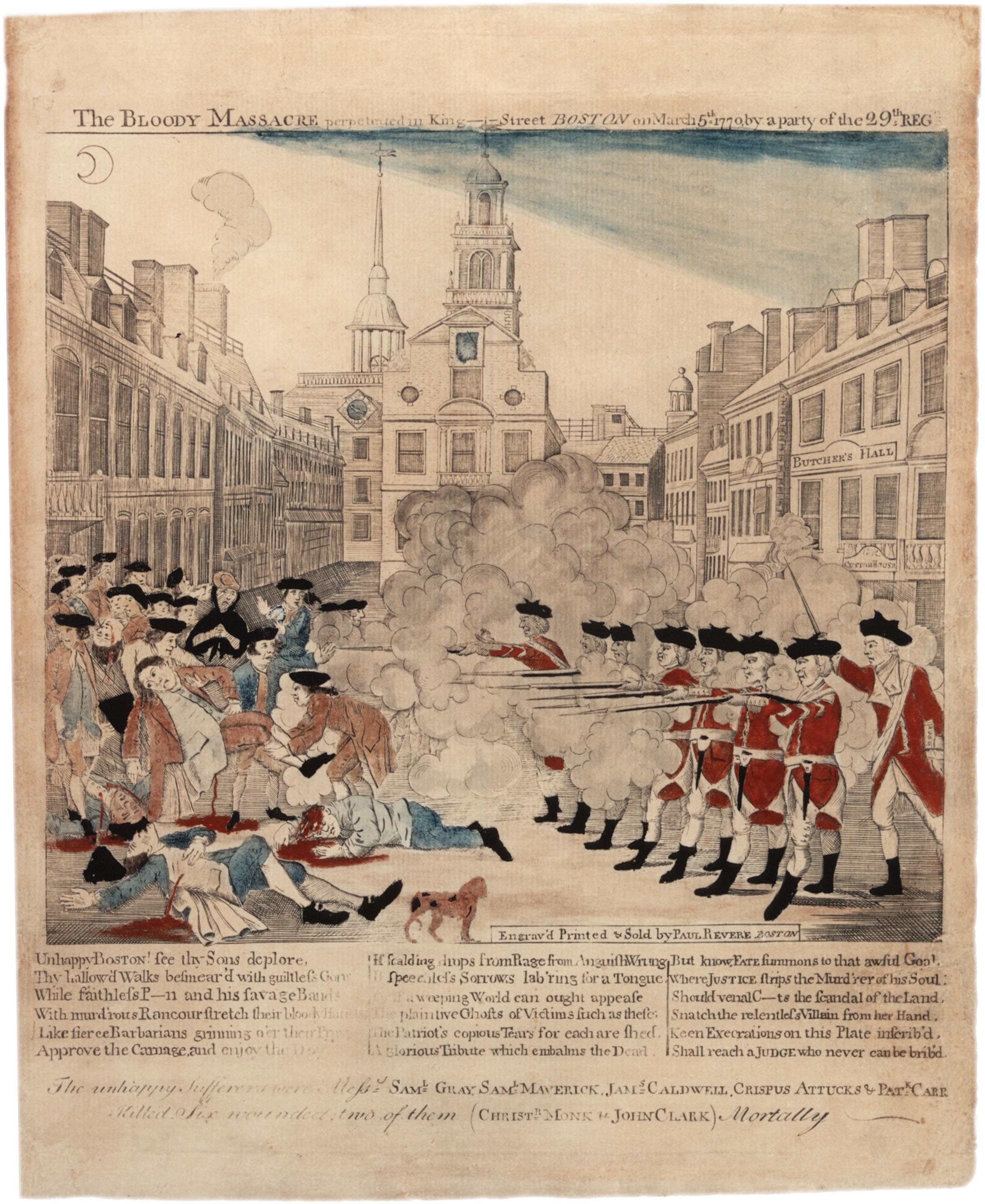
4. The Boston Massacre + Boston Massacre looking at multiple perspectives activity


Homework: 
1. None, enjoy your long weekend!
___________________________________________________

U.S. HISTORY II - Period 1:

Essential Questions:
-Was American expansion overseas justified?
-Did the press cause the Spanish-American War?
-Was the acquisition of the Panama Canal Zone and act of justifiable imperialism?
-Does the need for self-defense give the US the right to interfere in the affairs of Latin America? (Think about the Roosevelt Corollary, "Dollar Diplomacy," and "Watchful Waiting")

Themes: Historical thinking methods, evaluating sources, Thinking like an historian, PEGS (Political, Economic, Geographic, Social), The Beginning of the Progressive Era

1. Group Activity using Literacy and Top-Down Webs:
-There will be 4 groups for a Jigsaw Activity on Newly Acquired Lands, which will represent Cuba, Philippines, Puerto Rico and China's Open Door Policy. These will represent the interest of American Imperialism and your jobs will be to review The Textbook, A reliable website(s), and BHS Library Databases for approximately 10-15 minutes to become experts. Then we will share our ideas.  See the directions below.

A. Round 1 will be EXPERTS - Learn about your assigned group using the textbook, credible internet source(s), and a BHS Database.

B. Round 2 - Group Presentation to classmates for a Jigsaw share.

C. Round 3 - Class discussions on what you all learned about the Newly Acquired Lands from the Spanish-American War. 

2. Group Activity using Visuals:
Using my catalog of Spanish-American War DBQ'S (Document-Based Questions) AND the following links:
A Price for Freedom in the Spanish-American War, Headlines from the Spanish-American War , Cartoons from the Spanish-American War, Political Cartoon from the Spanish-American War

Group 1 - Cuba - Document #1, Document #5 and Political Cartoon #1 (from the DBQ link)
Group 2 - Puerto Rico - Document #6, Cartoon # 2, Cartoon #5 (from the DBQ link)
Group 3 - Philippines - Defeating Spain in the Philippines (scroll down to the bottom of the page) and Cartoons on Filipinos from the Spanish American War
Group 4 - Open Door Policy - Cartoon # 6 (from the DBQ link) + Article on Open Door Policy in relationship to the Spanish-American War

You will project your Top-Down Section of the Web and Political Cartoon examination onto your ipad and then present your understand on the big screen in class.

3. Spanish-American War Resources:
Causes of the War
Library of Congress - General information on the Spanish-American War
Spanish-American War Slideshow
PBS Special on All Events surrounding America's Quest for Imperialism
A Price for Freedom in the Spanish-American War
Headlines from the Spanish-American War
Cartoons from the Spanish-American War
Political Cartoon from the Spanish-American War

4. The Panama Canal Resources:
Video on the construction of the Panama Canal
-The Panama Canal in your textbook on pages 566 through 567. Then read "A Man, A Plan, A Canal, Panama" and then finally read "How did the US Obtain the Panama Canal" and then be able to answer the following 2 questions:
A. Explain the advantages to the United States of having a canal that connected both the Atlantic and Pacific Oceans under US control and the reasons the US was in a far better position to than any other country to build it?

B. Be prepared to debate the issue, "Did the US steal the Panama Canal from Columbia or merely behaved rationally in its own best interest?" One's will be Colombians and Two's will be American Patriots.
-What were the Foreign Policy missions of President Theodore Roosevelt, William H. Taft, and Woodrow Wilson called and give ONE prime example of each policy. (Hint: You may use pages 568-571 in your textbook

Homework:
1. None, enjoy your long weekend!
_____________________________________________________

International Studies - Period 7
Essential Questions:
1. 
Does the world need the United Nations? Why or why not?
2. Should we enforce the Universal Declaration of Human Rights in countries not our own? If so, how? If not, why?
3. Is the world safer today with the United Nations than it was in 1945?
4. Is the United Nations an effective peace-keeping organization?
5. What should be done to improve the effectiveness of the United Nations?

Rwanda Genocide Essential Questions:
1. How did the character of Paul Ruseabagina, as the hotel manager in "Hotel Rwanda" display courage?
2. How does a society recover from a genocide?
3. Does Rwanda have a future?

Themes: Humanitarianism, World Peace, War vs. Peace, Sustainable Change, Non-Government Organizations

1. We will finish watching Hotel Rwanda. Please relate it to our Genocide discussion yesterday and Peacekeeping responsibilities from our study of the United Nations.
-Student Film Worksheet while watching the movie
-Student Rwandan Genocide Project

2. A primary Source from Rwanda's Genocide:


3. An impressive viewing of MANY UN Peacekeeping videos - Nearly 5 hours worth of short clips from many Peacekeeping Operations.


4. Human Rights - What are Human Rights?


5. United Nation Resources:
United Nations History
United Nations Multimedia Room
United Nations School bus Virtual Field Trip
United Nations Research Guide A-Z on EVERYTHING you can imagine!
United Nations Peacekeeping Missions
University of California organized a UN resources guide - Honestly, the BEST and more ORGANIZED I have seen yet on how to research issues concerning the United Nations.

Homework:
1. After watching Hotel Rwanda please use your critical thinking skills to relate this Hollywood material to our Genocide discussion and UN peacekeeping responsibilities from our study of the United Nations and prepare for the Rwandan Genocide Project. Please use the shared Google Folder to access the checklist/project and use it to make your own student files so that we can all access your work.
-Student Rwandan Genocide Project - MAKE a decision by Tuesday on WHAT YOU WANT TO do as an authentic learning experience.

Thursday, October 8, 2015

Day 27 - Thursday

U.S. History I - Periods 2, 5, and 6: 
Essential Question:
-What can we infer about the values and beliefs of settlers?
-How did the French and Indian War help inspired a sense of unity and shared identity among the colonist?
-Did Great Britain lose more than it gained from its victory in the French-Indian War?
-Were the colonist justified in resisting British policies after the French-Indian War? 

Themes: Settlements on the East Coast and Southwest, Colonial life and struggles, Mercantilism, Colony-building, economic relationships

1. Please read Chapter 4 - Section 1 The Stirrings of Rebellion - pages 96-99 (stop at Battles of Lexington and Concord) and complete pages 1 & 2 of Causes of the American Revolution Packet please get in 5 groups.

A. Round 1 will be EXPERTS - Learn about your assigned group using the homework handout and at least ONE credible internet source, and ONE visual.

B. Round 2 - Pick 2 Captains from your group - They will jigsaw and move to the other groups as "traveling teachers" and the rest of you will stay seated as other groups rotate and come to your group to educate you on their assigned act. The "traveling teachers" will be teaching the groups they go to visit about their assigned act and illustrating a credible source and a visual.

C. Round 3 - When your Captains from your group come back, the rest of the group must teach them about the other acts you all learned about.

2. We will create a TIMELINE of 12 events or significant contributions that lead to the American Revolution. Create a TIMELINE of at least 12 events or significant contributions that lead to the American Revolution (Your Timeline should range from 1764 to 1777). On this timeline please distinguish which events were instigated by The British (in Red please), and which events initiated by The Colonist (in Blue please).  This means your Timeline will be color-coded.

3. The Boston Massacre + Boston Massacre looking at multiple perspectives activity


Homework: 
1. Due by Friday - Create a TIMELINE of 12 events or significant contributions that lead to the American Revolution. Create a TIMELINE of at least 12 events or significant contributions that lead to the American Revolution (Your Timeline should range from 1764 to 1777). On this timeline please distinguish which events were instigated by The British (in Red please), and which events initiated by The Colonist (in Blue please).  This means your Timeline will be color-coded.
___________________________________________________

U.S. HISTORY II - Period 1:

Essential Questions:
-Was American expansion overseas justified?
-Did the press cause the Spanish-American War?
-Was the acquisition of the Panama Canal Zone and act of justifiable imperialism?
-Does the need for self-defense give the US the right to interfere in the affairs of Latin America? (Think about the Roosevelt Corollary, "Dollar Diplomacy," and "Watchful Waiting")

Themes: Historical thinking methods, evaluating sources, Thinking like an historian, PEGS (Political, Economic, Geographic, Social), The Beginning of the Progressive Era

1. Sorry gang it has taken so long to get to this....but did anyone have trouble on the Hawaii and Spanish-American War Packet? Turn to a friend and discuss and then we will address any issues/concerns/questions you make have.

2. White Man's Burden today in 2015? You were asked to re-create the poem with a NEW TITLED and create ONE new line.

3. Group Activity:
Using my catalog of Spanish-American War DBQ'S (Document-Based Questions) please select one document AND one political cartoon and pick ONE cartoon or primary source account to examine as a group and then teach it to the rest of the class. You will project it onto your ipad and then present your understand on the big screen in class.

5. Spanish-American War Resources:
Causes of the War
Library of Congress - General information on the Spanish-American War
Spanish-American War Slideshow
PBS Special on All Events surrounding America's Quest for Imperialism
A Price for Freedom in the Spanish-American War
Images of the Spanish-American War and Primary Sources
Headlines from the Spanish-American War
Cartoons from the Spanish-American War
Political Cartoon from the Spanish-American War

6. The Panama Canal Resources:
Video on the construction of the Panama Canal
-What were the Foreign Policy missions of President Theodore Roosevelt, William H. Taft, and Woodrow Wilson called and give ONE prime example of each policy. (Hint: You may use pages 568-571 in your textbook

Homework:
1. Due Friday - Please read and review the topic "Panama Canal" in your textbook on pages 566 through 567. Then read "A Man, A Plan, A Canal, Panama" and then finally read "How did the US Obtain the Panama Canal" and then be able to answer the following 2 questions:
A. Explain the advantages to the United States of having a canal that connected both the Atlantic and Pacific Oceans under US control and the reasons the US was in a far better position to than any other country to build it?

B. Be prepared to debate the issue, "Did the US steal the Panama Canal from Columbia or merely behaved rationally in its own best interest?" One's will be Colombians and Two's will be American Patriots.
_____________________________________________________

International Studies - Period 7
Essential Questions:
1. 
Does the world need the United Nations? Why or why not?
2. Should we enforce the Universal Declaration of Human Rights in countries not our own? If so, how? If not, why?
3. Is the world safer today with the United Nations than it was in 1945?
4. Is the United Nations an effective peace-keeping organization?
5. What should be done to improve the effectiveness of the United Nations?

Rwanda Genocide Essential Questions:
1. How did the character of Paul Ruseabagina, as the hotel manager in "Hotel Rwanda" display courage?
2. How does a society recover from a genocide?
3. Does Rwanda have a future?

Themes: Humanitarianism, World Peace, War vs. Peace, Sustainable Change, Non-Government Organizations

1. We will watch Hotel Rwanda. Please relate it to our Genocide discussion yesterday and Peacekeeping responsibilities from our study of the United Nations.
-Student Film Worksheet while watching the movie
-Student Rwandan Genocide Project

2. A primary Source from Rwanda's Genocide:


3. An impressive viewing of MANY UN Peacekeeping videos - Nearly 5 hours worth of short clips from many Peacekeeping Operations.


4. Human Rights - What are Human Rights?


5. United Nation Resources:
United Nations History
United Nations Multimedia Room
United Nations School bus Virtual Field Trip
United Nations Research Guide A-Z on EVERYTHING you can imagine!
United Nations Peacekeeping Missions
University of California organized a UN resources guide - Honestly, the BEST and more ORGANIZED I have seen yet on how to research issues concerning the United Nations.

Homework:
1. After watching Hotel Rwanda please use your critical thinking skills to relate this Hollywood material to our Genocide discussion and UN peacekeeping responsibilities from our study of the United Nations and complete the Student Film Worksheet below and prepare for the Rwandan Genocide Project.
-Student Film Worksheet while watching the movie
-Student Rwandan Genocide Project - MAKE a decision by Tuesday on WHAT YOU WANT TO do as an authentic learning experience.

Wednesday, October 7, 2015

Day 26 - Wednesday

U.S. History I - Periods 2, 5, and 6: 
Essential Question:
-What can we infer about the values and beliefs of settlers?
-How did the French and Indian War help inspired a sense of unity and shared identity among the colonist?
-Did Great Britain lose more than it gained from its victory in the French-Indian War?
-Were the colonist justified in resisting British policies after the French-Indian War? 

Themes: Settlements on the East Coast and Southwest, Colonial life and struggles, Mercantilism, Colony-building, economic relationships

1. Period 6 will finish their Test today on Colonial America from 1607 (Settlement of Jamestown) to The French and Indian War (1763 - Treaty of Paris/Problems with Britain).

2. Please read Chapter 4 - Section 1 The Stirrings of Rebellion - pages 96-99 (stop at Battles of Lexington and Concord) and complete pages 1 & 2 of Causes of the American Revolution Packet please get in 5 groups.

A. Round 1 will be EXPERTS - Learn about your assigned group using the homework handout and at least ONE credible internet source, and ONE visual.

B. Round 2 - Pick 2 Captains from your group - They will jigsaw and move to the other groups as "traveling teachers" and the rest of you will stay seated as other groups rotate and come to your group to educate you on their assigned act. The "traveling teachers" will be teaching the groups they go to visit about their assigned act and illustrating a credible source and a visual.

C. Round 3 - When your Captains from your group come back, the rest of the group must teach them about the other acts you all learned about.

3. We will create a TIMELINE of 12 events or significant contributions that lead to the American Revolution. Create a TIMELINE of at least 12 events or significant contributions that lead to the American Revolution (Your Timeline should range from 1764 to 1777). On this timeline please distinguish which events were instigated by The British (in Red please), and which events initiated by The Colonist (in Blue please).  This means your Timeline will be color-coded.

4. The Boston Massacre + Boston Massacre looking at multiple perspectives activity


Homework: 
1. Read and examine pages 88-89 ("Victory Brings New Problems") and then pages 96 "The Stirrings of Rebellion" to 99 (the whole page). As you read/interpret/understand the scope of these causes of the American Revolution, please compete a 2-Column Note for an introduction to the Major Reasons The American Revolution begins.

2. Due by Friday - Create a TIMELINE of 12 events or significant contributions that lead to the American Revolution. Create a TIMELINE of at least 12 events or significant contributions that lead to the American Revolution (Your Timeline should range from 1764 to 1777). On this timeline please distinguish which events were instigated by The British (in Red please), and which events initiated by The Colonist (in Blue please).  This means your Timeline will be color-coded.
___________________________________________________

U.S. HISTORY II - Period 1:

Essential Questions:
-Was American expansion overseas justified?
-Did the press cause the Spanish-American War?
-Was the acquisition of the Panama Canal Zone and act of justifiable imperialism?
-Does the need for self-defense give the US the right to interfere in the affairs of Latin America? (Think about the Roosevelt Corollary, "Dollar Diplomacy," and "Watchful Waiting")

Themes: Historical thinking methods, evaluating sources, Thinking like an historian, PEGS (Political, Economic, Geographic, Social), The Beginning of the Progressive Era

1.  Did anyone have trouble on the Hawaii and Spanish-American War Packet?

2. White Man's Burden today in 2015? You were asked to re-create the poem with a NEW TITLED and create ONE new line.

3. Monthly Review's article titled "'Kipling's "White Man's Burden," and the U.S. Imperialism"
     A. Is this article credible?
     B. How does the author's relate Rudyard Kipling's "White Man's Burden" and 21st Century U.S.
        Imperialism?
     C. Do you think America is currently guilty of imperialism?

4. Group Activity:
Using my catalog of Spanish-American War DBQ'S (Document-Based Questions) please select one document AND one political cartoon and pick ONE cartoon or primary source account to examine as a group and then teach it to the rest of the class. You will project it onto your ipad and then present your understand on the big screen in class.

5. Spanish-American War Resources:
Causes of the War
Library of Congress - General information on the Spanish-American War
Spanish-American War Slideshow
PBS Special on All Events surrounding America's Quest for Imperialism
A Price for Freedom in the Spanish-American War
Images of the Spanish-American War and Primary Sources
Headlines from the Spanish-American War
Cartoons from the Spanish-American War
Political Cartoon from the Spanish-American War

6. The Panama Canal Resources:
Video on the construction of the Panama Canal
-What were the Foreign Policy missions of President Theodore Roosevelt, William H. Taft, and Woodrow Wilson called and give ONE prime example of each policy. (Hint: You may use pages 568-571 in your textbook

Homework:
1. Due Friday - Please read and review the topic "Panama Canal" in your textbook on pages 566 through 567. Then read "A Man, A Plan, A Canal, Panama" and then finally read "How did the US Obtain the Panama Canal" and then be able to answer the following 2 questions:
A. Explain the advantages to the United States of having a canal that connected both the Atlantic and Pacific Oceans under US control and the reasons the US was in a far better position to than any other country to build it?

B. Be prepared to debate the issue, "Did the US steal the Panama Canal from Columbia or merely behaved rationally in its own best interest?" One's will be Colombians and Two's will be American Patriots.
_____________________________________________________

International Studies - Period 7
Essential Questions:
1. 
Does the world need the United Nations? Why or why not?
2. Should we enforce the Universal Declaration of Human Rights in countries not our own? If so, how? If not, why?
3. Is the world safer today with the United Nations than it was in 1945?
4. Is the United Nations an effective peace-keeping organization?
5. What should be done to improve the effectiveness of the United Nations?

Rwanda Genocide Essential Questions:
1. How did the character of Paul Ruseabagina, as the hotel manager in "Hotel Rwanda" display courage?
2. How does a society recover from a genocide?
3. Does Rwanda have a future?

Themes: Humanitarianism, World Peace, War vs. Peace, Sustainable Change, Non-Government Organizations

1. We will watch Hotel Rwanda. Please relate it to our Genocide discussion yesterday and Peacekeeping responsibilities from our study of the United Nations.
-Student Film Worksheet while watching the movie
-Student Rwandan Genocide Project

A primary Source from Rwanda's Genocide:


2. An impressive viewing of MANY UN Peacekeeping videos - Nearly 5 hours worth of short clips from many Peacekeeping Operations.


4. Human Rights - What are Human Rights?


5. United Nation Resources:
United Nations History
United Nations Multimedia Room
United Nations School bus Virtual Field Trip
United Nations Research Guide A-Z on EVERYTHING you can imagine!
United Nations Peacekeeping Missions
University of California organized a UN resources guide - Honestly, the BEST and more ORGANIZED I have seen yet on how to research issues concerning the United Nations.

Homework:
1. None.

Tuesday, October 6, 2015

Day 25 - Tuesday

U.S. History I - Periods 2, 5, and 6: 
Essential Question:
-What can we infer about the values and beliefs of settlers?
-How did the French and Indian War help inspired a sense of unity and shared identity among the colonist?
-Did Great Britain lose more than it gained from its victory in the French-Indian War?
-Were the colonist justified in resisting British policies after the French-Indian War? 

Themes: Settlements on the East Coast and Southwest, Colonial life and struggles, Mercantilism, Colony-building, economic relationships

1. Test today on Colonial America from 1607 (Settlement of Jamestown) to The French and Indian War (1763 - Treaty of Paris/Problems with Britain).


Homework: 
1. Read and examine pages 88-89 ("Victory Brings New Problems") and then pages 96 "The Stirrings of Rebellion" to 99 (the whole page). As you read/interpret/understand the scope of these causes of the American Revolution, please compete a 2-Column Note for an introduction to the Major Reasons The American Revolution begins.
___________________________________________________

U.S. HISTORY II - Period 1:

Essential Questions:
-Was American expansion overseas justified?
-Did the press cause the Spanish-American War?
-Was the acquisition of the Panama Canal Zone and act of justifiable imperialism?
-Does the need for self-defense give the US the right to interfere in the affairs of Latin America? (Think about the Roosevelt Corollary, "Dollar Diplomacy," and "Watchful Waiting")

Themes: Historical thinking methods, evaluating sources, Thinking like an historian, PEGS (Political, Economic, Geographic, Social), The Beginning of the Progressive Era

1. Quiz on American Imperialism and Spanish-American War.

2. Did anyone have trouble on the Hawaii and Spanish-American War Packet?

3. White Man's Burden today? You were asked to re-create the poem with a NEW TITLED and create ONE new line.

4. Monthly Review's article titled "'Kipling's "White Man's Burden," and the U.S. Imperialism"
     A. Is this article credible?
     B. How does the author's relate Rudyard Kipling's "White Man's Burden" and 21st Century U.S.
        Imperialism?
     C. Do you think America is currently guilty of imperialism?

5. Spanish-American War Resources:
Causes of the War
Library of Congress - General information on the Spanish-American War
Spanish-American War Slideshow
PBS Special on All Events surrounding America's Quest for Imperialism
A Price for Freedom in the Spanish-American War
Images of the Spanish-American War and Primary Sources
Headlines from the Spanish-American War
Cartoons from the Spanish-American War
Political Cartoon from the Spanish-American War

Homework:
1. Due TOMORROW - Please read Chapter 18 - Section 3 - Acquiring New Lands - pages 558-564 and create an effective TOP-DOWN WEB that illustrates the Major Points/So what factor of this era, and the details/development of the acquired new lands.
_____________________________________________________

International Studies - Period 7
Essential Questions:
1. 
Does the world need the United Nations? Why or why not?
2. Should we enforce the Universal Declaration of Human Rights in countries not our own? If so, how? If not, why?
3. Is the world safer today with the United Nations than it was in 1945?
4. Is the United Nations an effective peace-keeping organization?
5. What should be done to improve the effectiveness of the United Nations?

Themes: Humanitarianism, World Peace, War vs. Peace, Sustainable Change, Non-Government Organizations

1. We will watch Hotel Rwanda. Please relate it to our Genocide discussion yesterday and Peacekeeping responsibilities from our study of the United Nations.
Pyramid of Hate:

2. An impressive viewing of MANY UN Peacekeeping videos - Nearly 5 hours worth of short clips from many Peacekeeping Operations.


4. Human Rights - What are Human Rights?


5. United Nation Resources:
United Nations History
United Nations Multimedia Room
United Nations School bus Virtual Field Trip
United Nations Research Guide A-Z on EVERYTHING you can imagine!
United Nations Peacekeeping Missions
University of California organized a UN resources guide - Honestly, the BEST and more ORGANIZED I have seen yet on how to research issues concerning the United Nations.

Homework:
1. None.

Monday, October 5, 2015

Day 24 - Monday

U.S. History I - Periods 2, 5, and 6: 
Essential Question:
-What can we infer about the values and beliefs of settlers?
-How did the French and Indian War help inspired a sense of unity and shared identity among the colonist?
-Did Great Britain lose more than it gained from its victory in the French-Indian War?
-Were the colonist justified in resisting British policies after the French-Indian War? 

Themes: Settlements on the East Coast and Southwest, Colonial life and struggles, Mercantilism, Colony-building, economic relationships

1. How did your Outline on the French-Indian War go on Thursday night homework?

2. After picking one PRIMARY SOURCE under the French-Indian War Resources section of my blog (see above) and completing a SOAPS Primary Source Examination Worksheet let's share your primary source analysis with a partner.  What did you find that was helpful about SOAPS, what did you find challenging about the SOAPS.

3A. Group 1: Colonial Clothing in the 18th Century - Go off and explore using this website and all sections pertaining to clothing.
A. How many layers did men wear? And women?
B. Where did the material for clothing come from? Who made it?
C. Why was clothing and dressing up an important part of the 18th century?

3B. Group 2: Colonial Food: A struggle for survival - In small groups, make a grocery list for one month.
a. How will you survive for one month?
b. Come up with a strategy for food - hunting, preservation, etc?
c. What difficulties will you face?

4. French and Indian War Resources:
French and Indian War Slideshow
Summary of the War
US Government Perspective
George Washington and the F&I War
Great Article from The Smithsonian on Ben Franklin and his role in war
Smallpox as a biological weapon in the French-Indian War
Primary Sources from the war
West Virginia's Primary Source Collection from the war
PBS "The War that Made America"


Homework: 
1. Study for a TEST on Chapter 2 and 3 on Colonial Life.  Make sure you can compare and contrast the 13 colonies (NE, Middle, and Southern), African-Americans introduction in the New World, Enlightenment influence, and the impact of the French-Indian War.
___________________________________________________

U.S. HISTORY II - Period 1:

Essential Questions:
-Was American expansion overseas justified?
-Did the press cause the Spanish-American War?
-Was the acquisition of the Panama Canal Zone and act of justifiable imperialism?
-Does the need for self-defense give the US the right to interfere in the affairs of Latin America? (Think about the Roosevelt Corollary, "Dollar Diplomacy," and "Watchful Waiting")

Themes: Historical thinking methods, evaluating sources, Thinking like an historian, PEGS (Political, Economic, Geographic, Social), The Beginning of the Progressive Era

1. WHY did only ONE GROUP work on the Rudyard Kipling's "White Man's Burden" in class on Friday while I was absent? This will impact your grade and you inability to follow simple directions is incredibly frustrating.

2. Directions from "White Man's Burden" 
It has been shared with all of you as EDITORS and means you can ALL WORK ON THIS DOCUMENT - With the groups I assigned yesterday, please only 4 people to a group, take ONE Stanza (which means 4 people working on the same paragraph and make sure no other groups duplicate the same stanza) and then follow Steps #1 thru Step #5:
-Step 1: Read the entire Poem
-Step 2: Read your Stanza again
-Step 3: Annotate your Stanza by breaking down each line and meaning behind it
-Step 4: Answer the following question: What message was Rudyard Kipling sending imperialist?
-Step 5: Write your annotation and answer to the question in Step 4 on Google Classroom.

2. Did anyone have trouble on the Hawaii and Spanish-American War Packet?

3. Monthly Review's article titled "'Kipling's "White Man's Burden," and the U.S. Imperialism"
     A. Is this article credible?
     B. How does the author's relate Rudyard Kipling's "White Man's Burden" and 21st Century U.S.
        Imperialism?
     C. Do you think America is currently guilty of imperialism?

4. Spanish-American War Resources:
Causes of the War
Library of Congress - General information on the Spanish-American War
Spanish-American War Slideshow
PBS Special on All Events surrounding America's Quest for Imperialism
A Price for Freedom in the Spanish-American War
Images of the Spanish-American War and Primary Sources
Headlines from the Spanish-American War
Cartoons from the Spanish-American War
Political Cartoon from the Spanish-American War

Homework:
1. Create a NEW TITLE for a 21st century "White Man's Burden" in relationship to imperialism today. Create one line of that new poem.

2. Study Chapter 18 - Sections 1 & 2 on Imperialism and The Spanish-American War in preparation for a Quiz TOMORROW!

3. Due on Wednesday - Please read Chapter 18 - Section 3 - Acquiring New Lands - pages 558-564 and create an effective TOP-DOWN WEB that illustrates the Major Points/So what factor of this era, and the details/development of the acquired new lands.
_____________________________________________________

International Studies - Period 7
Essential Questions:
1. 
Does the world need the United Nations? Why or why not?
2. Should we enforce the Universal Declaration of Human Rights in countries not our own? If so, how? If not, why?
3. Is the world safer today with the United Nations than it was in 1945?
4. Is the United Nations an effective peace-keeping organization?
5. What should be done to improve the effectiveness of the United Nations?

Themes: Humanitarianism, World Peace, War vs. Peace, Sustainable Change, Non-Government Organizations

1. We will quickly review the Genocide DBQ as a large-class discussion and were there any challenges? What did you like or dislike about these documents?   What is Genocide? Please post to Google Classroom if you did it electronically or I will collect the hard copy.

Pyramid of Hate:

2. We will begin watching Hotel Rwanda on Monday 1/2 through the period.

3. An impressive viewing of MANY UN Peacekeeping videos - Nearly 5 hours worth of short clips from many Peacekeeping Operations.


4. Human Rights - What are Human Rights?


5. United Nation Resources:
United Nations History
United Nations Multimedia Room
United Nations School bus Virtual Field Trip
United Nations Research Guide A-Z on EVERYTHING you can imagine!
United Nations Peacekeeping Missions
University of California organized a UN resources guide - Honestly, the BEST and more ORGANIZED I have seen yet on how to research issues concerning the United Nations.

Homework:
1. None.

Friday, October 2, 2015

Day 23 - Friday

U.S. History I - Periods 2, 5, and 6: 
Essential Question:
-What can we infer about the values and beliefs of settlers?
-How did the French and Indian War help inspired a sense of unity and shared identity among the colonist?
-Did Great Britain lose more than it gained from its victory in the French-Indian War?
-Were the colonist justified in resisting British policies after the French-Indian War? 

Themes: Settlements on the East Coast and Southwest, Colonial life and struggles, Mercantilism, Colony-building, economic relationships

1. Quickly turn to a neighbor and review your completed copy of The French and Indian War Outline on the French-Indian War.

2. For today's class please make sure you POST TO GOOGLE CLASSROOM at the end of the period or by the very latest by TONIGHT - DUE Friday by Midnight (Even Period 2 - YES, I changed my mind and you can do this in class today and finish it for tonight! 
***This is an individual assignment and will NOT BE DONE with a partner. Pick one PRIMARY SOURCE under the French-Indian War Resources section of my blog (see above) and complete a SOAPS Primary Source Examination Worksheet and then answer one of the ESSENTIAL QUESTIONS (How did the French and Indian War help inspired a sense of unity and shared identity among the colonist?, OR Did Great Britain lose more than it gained from its victory in the French-Indian War?, OR Were the colonist justified in resisting British policies after the French-Indian War?). This will count as your French-Indian War 1/2 Quiz Grade and should be posted immediately after you finish it!

3A. Group 1: Colonial Clothing in the 18th Century - Go off and explore using this website and all sections pertaining to clothing.
A. How many layers did men wear? And women?
B. Where did the material for clothing come from? Who made it?
C. Why was clothing and dressing up an important part of the 18th century?

3B. Group 2: Colonial Food: A struggle for survival - In small groups, make a grocery list for one month.
a. How will you survive for one month?
b. Come up with a strategy for food - hunting, preservation, etc?
c. What difficulties will you face?

4. French and Indian War Resources:
French and Indian War Slideshow
Summary of the War
US Government Perspective
George Washington and the F&I War
Great Article from The Smithsonian on Ben Franklin and his role in war
Smallpox as a biological weapon in the French-Indian War
Primary Sources from the war
West Virginia's Primary Source Collection from the war
PBS "The War that Made America"


Homework: 
1. If you did not finish in class today please make sure you POST TO GOOGLE CLASSROOM TONIGHT - DUE Friday by Midnight (Even Period 2 - YES, I changed my mind and you can do this in class - Pick one PRIMARY SOURCE under the French-Indian War Resources section of my blog (see above) and complete a SOAPS Primary Source Examination Worksheet and then answer one of the ESSENTIAL QUESTIONS (above - under our classroom titled of US History I). This will count as your French-Indian War 1/2 Quiz Grade and should be posted immediately after you finish it!
___________________________________________________

U.S. HISTORY II - Period 1:

Essential Questions:
-Was American expansion overseas justified?
-Did the press cause the Spanish-American War?
-Was the acquisition of the Panama Canal Zone and act of justifiable imperialism?
-Does the need for self-defense give the US the right to interfere in the affairs of Latin America? (Think about the Roosevelt Corollary, "Dollar Diplomacy," and "Watchful Waiting")

Themes: Historical thinking methods, evaluating sources, Thinking like an historian, PEGS (Political, Economic, Geographic, Social), The Beginning of the Progressive Era

1. Please read Rudyard Kipling's "White Man's Burden"  - It has been shared with all of you as EDITORS and means you can ALL WORK ON THIS DOCUMENT - With the groups I assigned yesterday, please only 4 people to a group, take ONE Stanza (which means 4 people working on the same paragraph and make sure no other groups duplicate the same stanza) and then follow Steps #1 thru Step #5:
-Step 1: Read the entire Poem
-Step 2: Read your Stanza again
-Step 3: Annotate your Stanza by breaking down each line and meaning behind it
-Step 4: Answer the following question: What message was Rudyard Kipling sending imperialist?
-Step 5: Write your annotation and answer to the question in Step 4 on Google Classroom.

2. When you are done with the group work above, please complete Pages 4, 5, 6, and 7 on the Hawaii and Spanish-American War Packet INDIVIDUALLY AND please FINISH reading and examining each article and then complete the questions at the end of these pages. (Page 7 does not have any questions).

3. Monthly Review's article titled "'Kipling's "White Man's Burden," and the U.S. Imperialism"
     A. Is this article credible?
     B. How does the author's relate Rudyard Kipling's "White Man's Burden" and 21st Century U.S.
        Imperialism?
     C. Do you think America is currently guilty of imperialism?

4. Spanish-American War Resources:
Causes of the War
Library of Congress - General information on the Spanish-American War
Spanish-American War Slideshow
PBS Special on All Events surrounding America's Quest for Imperialism
A Price for Freedom in the Spanish-American War
Images of the Spanish-American War and Primary Sources
Headlines from the Spanish-American War
Cartoons from the Spanish-American War
Political Cartoon from the Spanish-American War

Homework:
1. Please FINISH reading and examining the readings and questions of Pages 4, 5, 6, and 7 on the Hawaii and Spanish-American War Packet - Due by midnight tonight (Friday, October 2nd).
_____________________________________________________

International Studies - Period 7
Essential Questions:
1. 
Does the world need the United Nations? Why or why not?
2. Should we enforce the Universal Declaration of Human Rights in countries not our own? If so, how? If not, why?
3. Is the world safer today with the United Nations than it was in 1945?
4. Is the United Nations an effective peace-keeping organization?
5. What should be done to improve the effectiveness of the United Nations?

Themes: Humanitarianism, World Peace, War vs. Peace, Sustainable Change, Non-Government Organizations

1. Please complete the Genocide DBQ individually (The Hard Copies are on my main desk, by the comfy yellow lounge chair, so can someone pass one out to everyone please!!!)  It's a pretty hearty packet and has quiet a bit of questions, but it should be completed during your LONG PERIOD today. We will discuss and collect on Monday and it will count as a 1/2 project grade, so please take it seriously. We will begin watching Hotel Rwanda on Monday.

2. An impressive viewing of MANY UN Peacekeeping videos - Nearly 5 hours worth of short clips from many Peacekeeping Operations.


3. Human Rights - What are Human Rights?


4. United Nation Resources:
United Nations History
United Nations Multimedia Room
United Nations School bus Virtual Field Trip
United Nations Research Guide A-Z on EVERYTHING you can imagine!
United Nations Peacekeeping Missions
University of California organized a UN resources guide - Honestly, the BEST and more ORGANIZED I have seen yet on how to research issues concerning the United Nations.

Homework:
1. If you do not finish your HARD COPY of the Genocide DBQ with all questions completed, then please finish over the weekend. I am going to collect it on Monday and it will count as a 1/2 Project grade.

Thursday, October 1, 2015

Day 22 - Thursday

U.S. History I - Periods 2, 5, and 6: 
Essential Question:
-What does colonization mean?
-What can we infer about the values and beliefs of settlers?
--How did the French and Indian War help inspired a sense of unity and shared identity among the colonist?
-Did Great Britain lose more than it gained from its victory in the French-Indian War?
-Were the colonist justified in resisting British policies after the French-Indian War? 

Themes: Settlements on the East Coast and Southwest, Colonial life and struggles, Mercantilism, Colony-building, economic relationships

1. A very quick recap and review from last night's homework: Read pages 72 - 78 on the Agricultural South and then pages 79-84 The Commercial North.  Create a Venn Diagram that illustrates how the Agricultural South and the Commercial North are different and alike by completing the Venn Diagram - All one word answers must have a caption with a brief description.

2A. Students will either be part of Group 1 or Group 2 - So please just stick to the one subject you were assigned from the weekend homework:
1.  Group 1: Colonial Clothing in the 18th Century - Go off and explore using this website and all sections pertaining to clothing.
A. How many layers did men wear? And women?
B. Where did the material for clothing come from? Who made it?
C. Why was clothing and dressing up an important part of the 18th century?

2B. Group 2: Colonial Food: A struggle for survival - In small groups, make a grocery list for one month.
a. How will you survive for one month?
b. Come up with a strategy for food - hunting, preservation, etc?
c. What difficulties will you face?

3. We will complete on Thursday - Read pages 85 - 89 on The French and Indian War and complete the Outline on the French-Indian War.

French and Indian War Resources:
French and Indian War Slideshow
Summary of the War
US Government Perspective
George Washington and the F&I War
Great Article from The Smithsonian on Ben Franklin and his role in war
Smallpox as a biological weapon in the French-Indian War
Primary Sources from the war
West Virginia's Primary Source Collection from the war
PBS "The War that Made America"


Homework: 
1. If we do not finish this in class on Thursday, then please finish for homework - Read pages 85 - 89 on The French and Indian War and complete the Outline on the French-Indian War.

2. Due Friday by Midnight - Pick one PRIMARY SOURCE under the French-Indian War Resources section of my blog (see above) and complete a SOAPS Primary Source Examination Worksheet and then answer one of the ESSENTIAL QUESTIONS (above - under US History I). This will count as your French-Indian War 1/2 Quiz Grade!
___________________________________________________

U.S. HISTORY II - Period 1:

Essential Questions:
-Was American expansion overseas justified?
-Did the press cause the Spanish-American War?
-Was the acquisition of the Panama Canal Zone and act of justifiable imperialism?
-Does the need for self-defense give the US the right to interfere in the affairs of Latin America? (Think about the Roosevelt Corollary, "Dollar Diplomacy," and "Watchful Waiting")

Themes: Historical thinking methods, evaluating sources, Thinking like an historian, PEGS (Political, Economic, Geographic, Social), The Beginning of the Progressive Era

1. Please watch this video on American Imperialism as it will help you understand the following concepts:
   A. What is Imperialism?
   B. Why American imperialism in the late 19th Century?
   C. Who was this Alfred Thayer Mahan and what is his significance in the rise of the American imperialism?

2.  Please read Rudyard Kipling's "White Man's Burden" with a group of 4 people each group will take ONE Stanza, except one group, and break down the meaning behind it.
- What message was Rudyard Kipling sending imperialist?
-Break down each passage and interpret the meaning behind your assigned stanza.

3. Read Monthly Review's article titled "'Kipling's "White Man's Burden," and the U.S. Imperialism"' and answer the following:
     A. Is this article credible?
     B. How does the author's relate Rudyard Kipling's "White Man's Burden" and 21st Century U.S.
        Imperialism?
     C. Do you think America is currently guilty of imperialism?

4. Spanish-American War Resources:
Causes of the War
Library of Congress - General information on the Spanish-American War
Spanish-American War Slideshow
PBS Special on All Events surrounding America's Quest for Imperialism
A Price for Freedom in the Spanish-American War
Images of the Spanish-American War and Primary Sources
Headlines from the Spanish-American War
Cartoons from the Spanish-American War
Political Cartoon from the Spanish-American War

Homework:
1. Introducing the Age of American Imperialism in the 20th Century -
 Please review and examine the readings and questions of Pages 1, 2, and 3 on "What to do with Hawaii?", "The Independence of Cuba", and "Yellow Journalism" (highlights from the causes of the war) on the Hawaii and Spanish-American War Packet.
_____________________________________________________

International Studies - Period 7
Essential Questions:
1. 
Does the world need the United Nations? Why or why not?
2. Should we enforce the Universal Declaration of Human Rights in countries not our own? If so, how? If not, why?
3. Is the world safer today with the United Nations than it was in 1945?
4. Is the United Nations an effective peace-keeping organization?
5. What should be done to improve the effectiveness of the United Nations?

Themes: Humanitarianism, World Peace, War vs. Peace, Sustainable Change, Non-Government Organizations

1. Please finish the DBQ session on the 5 Documents from the United Nations Test/Peacekeeping Test yesterday.

2. Please log onto Google Classroom and watch the 2 videos and review the 4 websites and write out the HW response based off all these resources.  We will skip the Genocide DBQ until next week after we watch the "Hotel Rwanda."  I am looking for quality work from you all on understand the UN Charter and the Universal Declaration of Human Rights. Please do NOT forget to post to Google Classroom. This is your in-class AND homework assignment. Make me proud :)

3. An impressive viewing of MANY UN Peacekeeping videos - Nearly 5 hours worth of short clips from many Peacekeeping Operations.


4. Human Rights - What are Human Rights?


5. United Nation Resources:
United Nations History
United Nations Multimedia Room
United Nations School bus Virtual Field Trip
United Nations Research Guide A-Z on EVERYTHING you can imagine!
United Nations Peacekeeping Missions
University of California organized a UN resources guide - Honestly, the BEST and more ORGANIZED I have seen yet on how to research issues concerning the United Nations.

Homework:
1. Please GO TO Google Classroom AND WATCH THE 2 VIDEOS and review the links below to complete the assignments:
A.  UN charter + UN preamble, purpose, and principles - Summarize the key points of the UN's preamble, purpose, and principles using the above links. You should do this by creating a Two-Column Chart, which gives the details/development of the preamble, then purpose, and then principles on the right hand side and then on the left side create the SO WHAT FACTOR based on your summarization of the details/developments.

B. Universal Declaration of Rights + Outline of the Universal Declaration of Rights - Same as directions as above, except your topic is Universal Declaration of Rights.